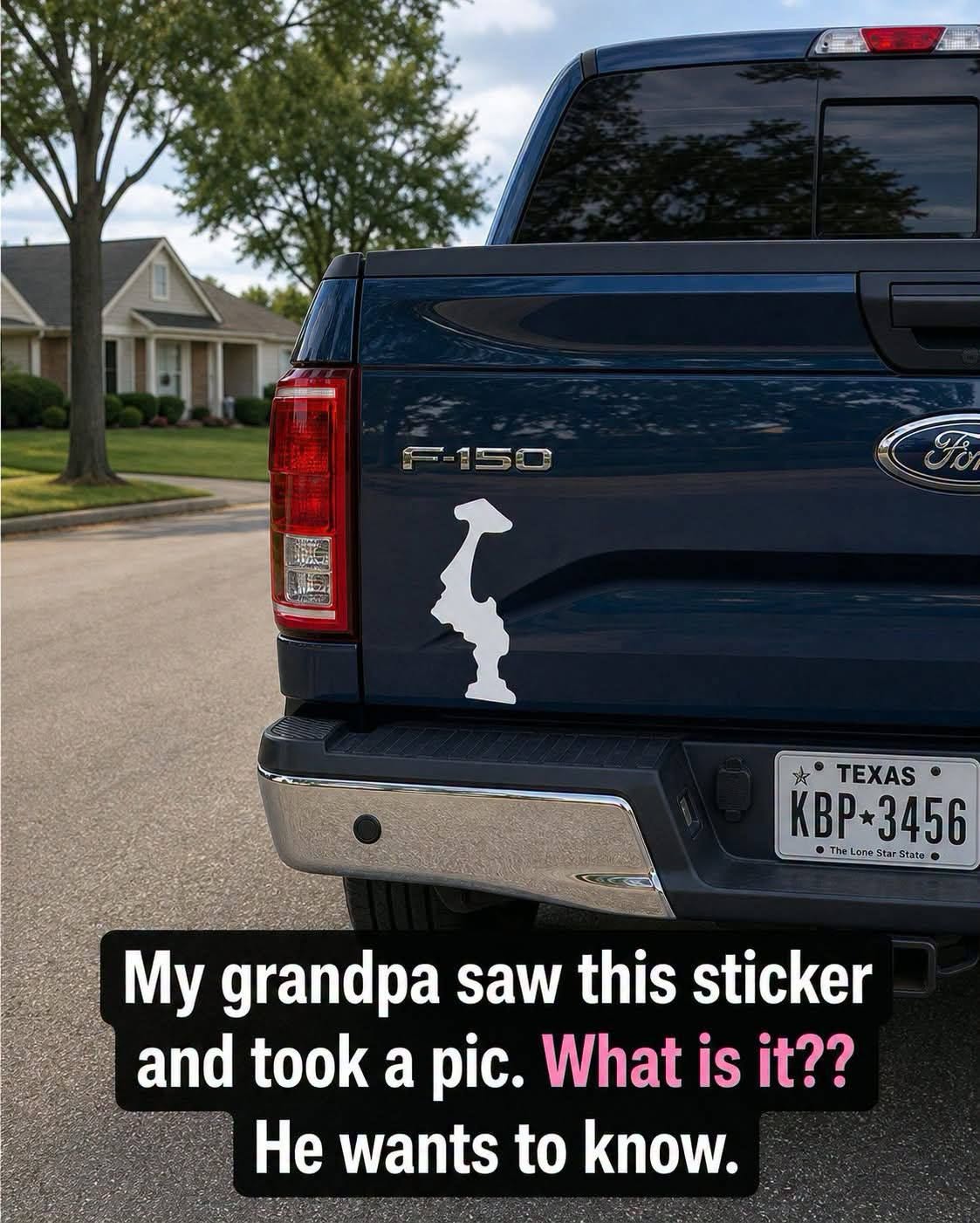
The first time you see it, you think someone messed up. An upside-down Washington State, slapped crooked on the back of a car, drifting down some distant highway. But it isn’t a mistake. It’s a quiet confession. A homesick joke. A love letter in vinyl. People leave Washington, but Washington doesn’t quite leave the… Continues…
That inverted outline has become a moving postcard from the Pacific
Northwest, carried on bumpers and tailgates far from Cascades and
coastline. For those who once called Washington home, flipping the state
on its head captures the feeling of life turned in a new direction,
while the heart still orients north and west. It’s playful, imperfect,
and deeply personal—exactly how memory works.
Without any official group or rulebook behind it, the symbol stays
open to interpretation. Some see distance, some see perspective, some
just see a reminder of trailheads, ferry rides, wet sidewalks, and
mountain silhouettes at dusk. On road trips and in parking lots, it
sparks conversations between strangers who recognize the shape and the
stories it carries. In the end, that upside-down decal is less a map and
more a mirror, reflecting a place that still quietly claims its people.