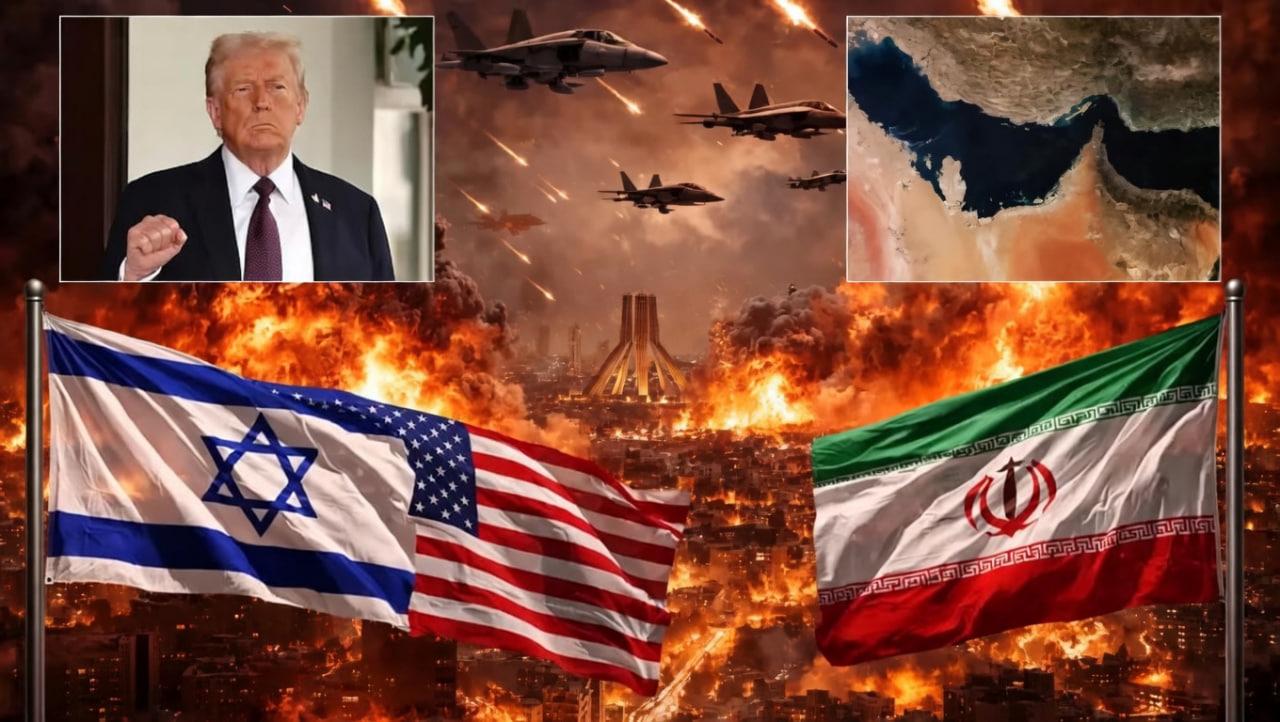
Conflicting reports quickly followed. Some Israeli sources suggested that Iran’s Supreme Leader Ali Khamenei may have been killed, though Iranian state media insisted he remained unharmed. Regardless, analysts say the scale of the strikes signals a shift from limited confrontation toward far more aggressive rhetoric and strategy.
Iran’s response was swift. The IRGC launched missiles and drones targeting Israel and U.S. military positions across the region, including bases in Qatar, the United Arab Emirates, Bahrain, and Kuwait. Explosions reported in several locations heightened fears of a wider regional conflict.
A major flashpoint quickly emerged in the Strait of Hormuz, where Iranian naval forces issued warnings to commercial vessels, effectively discouraging transit. Though no formal blockade has been declared, shipping disruptions are already evident, with tankers rerouting or pausing operations. This chokepoint handles roughly one-fifth of global oil supply, making any instability there a serious global concern.
Energy markets are bracing for volatility, with analysts warning of sharp oil price increases if disruptions continue. Rising fuel costs could ripple across global economies, increasing inflation and straining supply chains, particularly for major importers in Asia.
With diplomacy stalled and military forces on high alert, the situation remains highly unstable. Observers now question whether tensions will remain contained or escalate into a broader and more dangerous conflict.
